


🤰 Managing Nausea and Vomiting During Pregnancy
Pregnancy nausea is common but temporary. Small, simple steps—eating smaller meals, choosing gentle foods, staying well-hydrated, and using natural allies like ginger or lemon—can truly bring comfort to your daily life 🌸.
1 min read

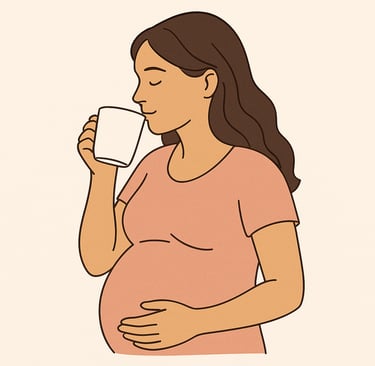
You’re expecting a baby, and your body has already begun its incredible transformation ✨. But then… those famous bouts of nausea and vomiting (often called “morning sickness”) sometimes show up to spoil the party, especially in the first trimester.
Rest assured: while unpleasant, they’re extremely common (8 out of 10 pregnant women experience them!) and usually harmless. Let’s take a closer look at how to better understand and ease them 💕.
🌱 Why does nausea happen?
Think of your body as a factory going through a massive reorganization: hormones (especially hCG and estrogen) are skyrocketing, your sense of smell turns into a super-sensitive radar, and your stomach reacts more strongly than usual.
👉 The result? Your digestive system sometimes says:
“Whoa, pause! Too many changes all at once.”
🍵 Little habits that help
💡 The key here is gentle and frequent.
Eat smaller, more frequent meals: 5–6 mini-meals instead of 3 large ones. Your stomach is like a small bowl—it prefers being filled slowly.
Snack right after waking up: a dry cracker or slice of bread before even getting out of bed can ease morning nausea.
Favor gentle foods: rice, bananas, applesauce, mashed potatoes, dry toast.
Avoid greasy, spicy, or strong-smelling foods—they’re like fireworks for your stomach 🚫.
Stay hydrated: sip water often, try mild herbal teas (chamomile, light ginger), or clear broths.
🌸 Natural allies
A few simple tricks can bring real relief:
Ginger: known to reduce nausea (in tea, capsules, or freshly grated in food).
Lemon: sniff a fresh slice or drink lemon water.
Cold foods: sometimes easier to tolerate than hot dishes since they release fewer odors.
Rest: fatigue can worsen nausea → listen to your body.
😣 When nausea becomes overwhelming
For most women, symptoms ease after the first trimester. But in some cases, they can become very intense (a condition called hyperemesis gravidarum).
⚠️ Contact your healthcare provider promptly if:
you can’t keep food or liquids down,
you’re losing weight,
you feel very weak or dehydrated.
Your doctor or midwife can provide tailored support, and if needed, medical treatment.
Motherhood
Your space dedicated to motherhood and well-being.
CoNTACT
bellytobaby.fr@gmail.com
© 2025. All rights reserved.